










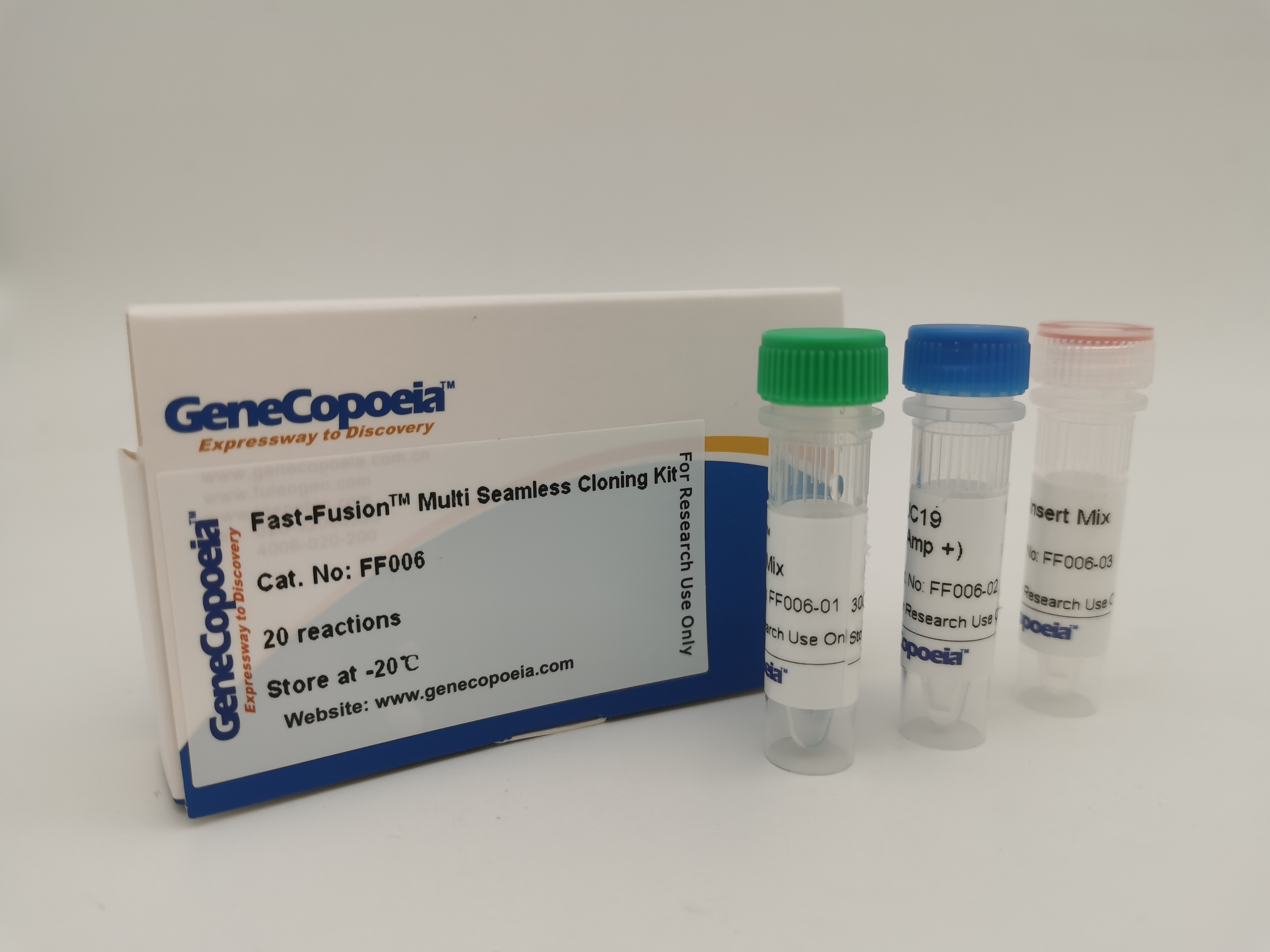
Fast-Fusion™ Multi Seamless Cloning Kit
Introduction
For rapid and effective cloning of PCR products
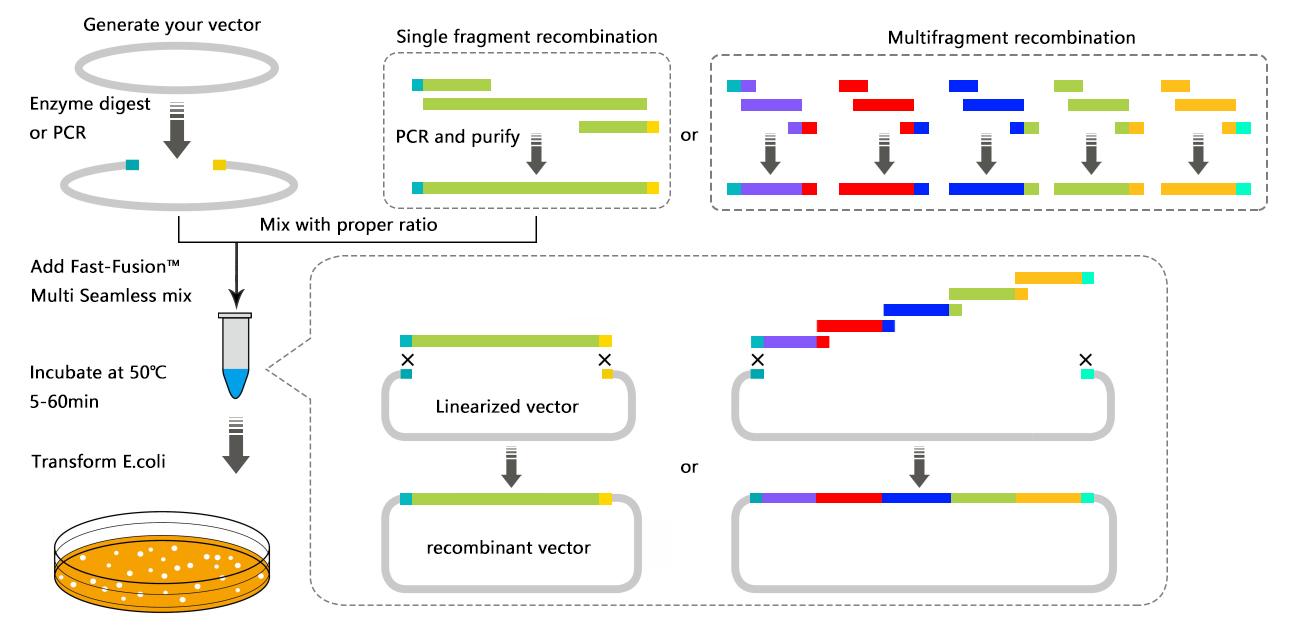
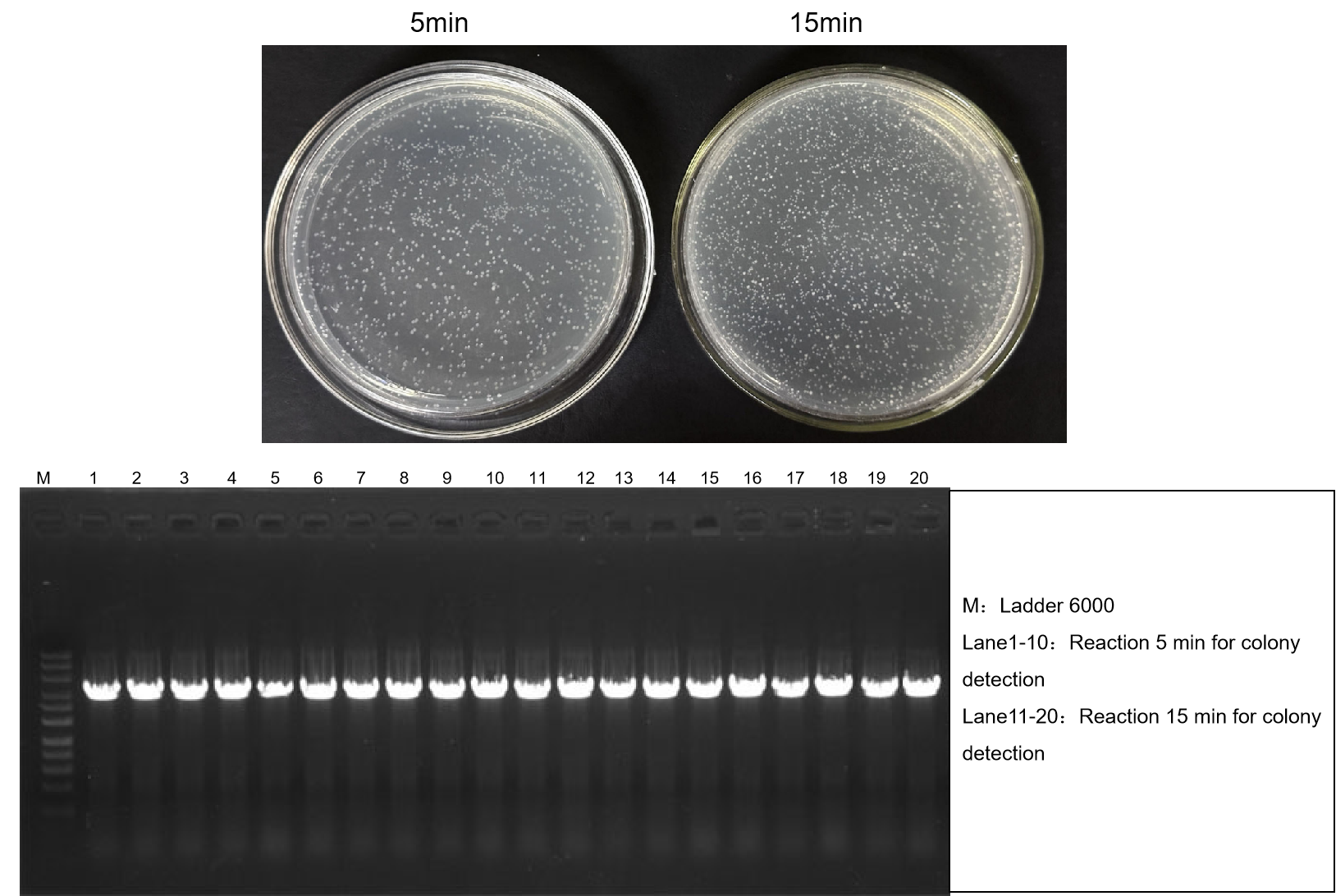
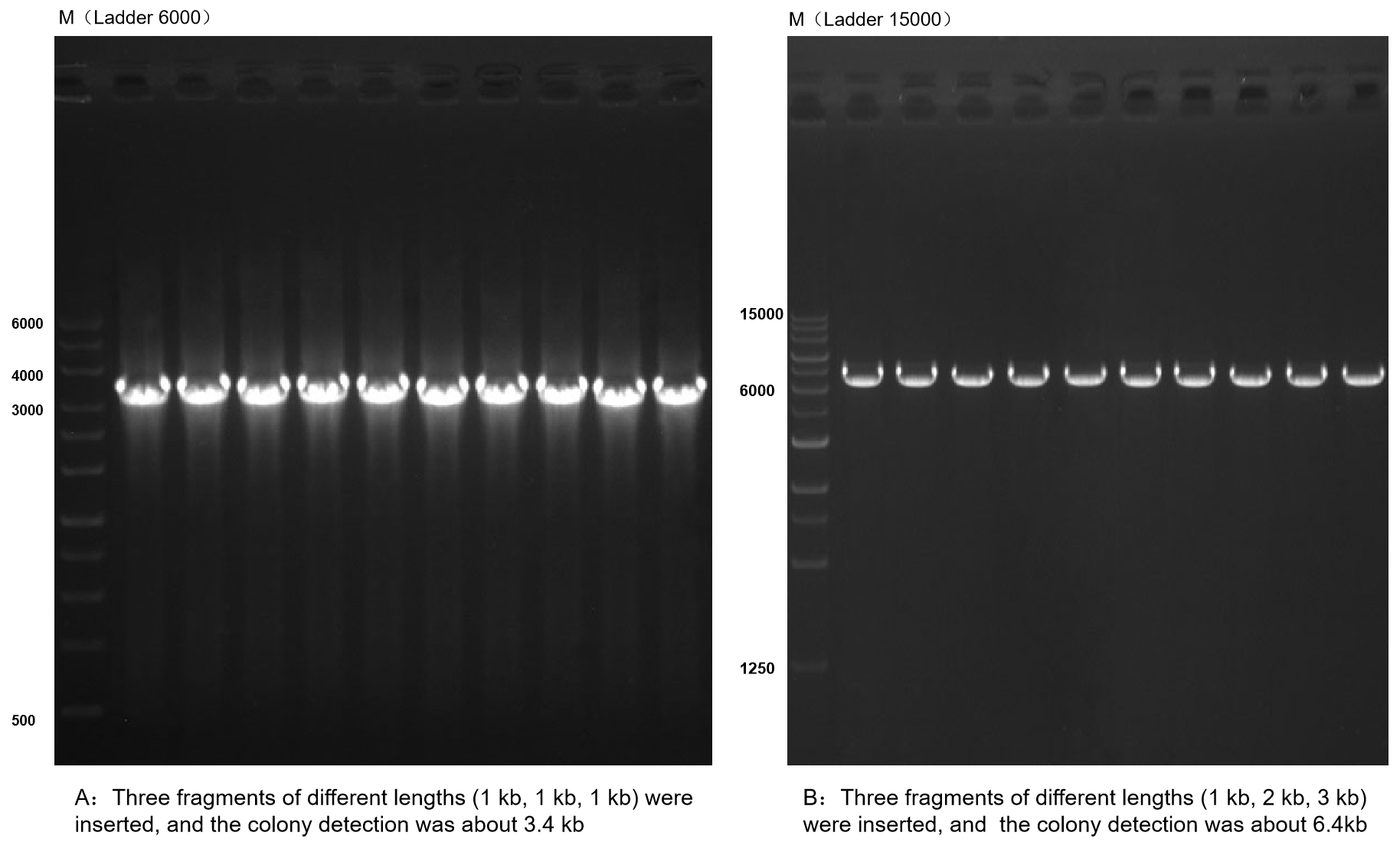
The GeneCopoeia Fast-Fusion™ Multi Seamless Cloning Kit provides a rapid method for cloning your PCR products. In as little as 5 minutes minutes at 50℃, any PCR fragment can be cloned into your linearized vector. After a simple clean up step, a PCR-generated DNA fragment or other purified DNA fragment can be joined to a vector with overlapping ends (Fig.A).Up to five DNA fragments can be joined together in a single reaction. A single fragment can be efficiently fused and assembled in 5 minutes. Well-prepared vectors generate almost 100% positive clones.
No restriction sites are needed at the junction, enabling insertion of your fragment of interest at any vector position. The linearized vector can be generated by either PCR or restriction enzyme digestion. The PCR products can be produced by either Taq DNA polymerase or other high fidelity DNA polymerase.
Advantages
- Fast and simple—1 minute for operation and5 minutes for incubation.
- High adaptability—No restriction or recombination sites needed, insert fragments generated by either PCR or restriction enzyme digestion can be used.
- Seamless construction—Final constructs are seamless with no extra or unwanted base pairs.
- Flexibility—Multiple inserts can be assembled in one reaction. Suitable for multi-site mutagenesis.
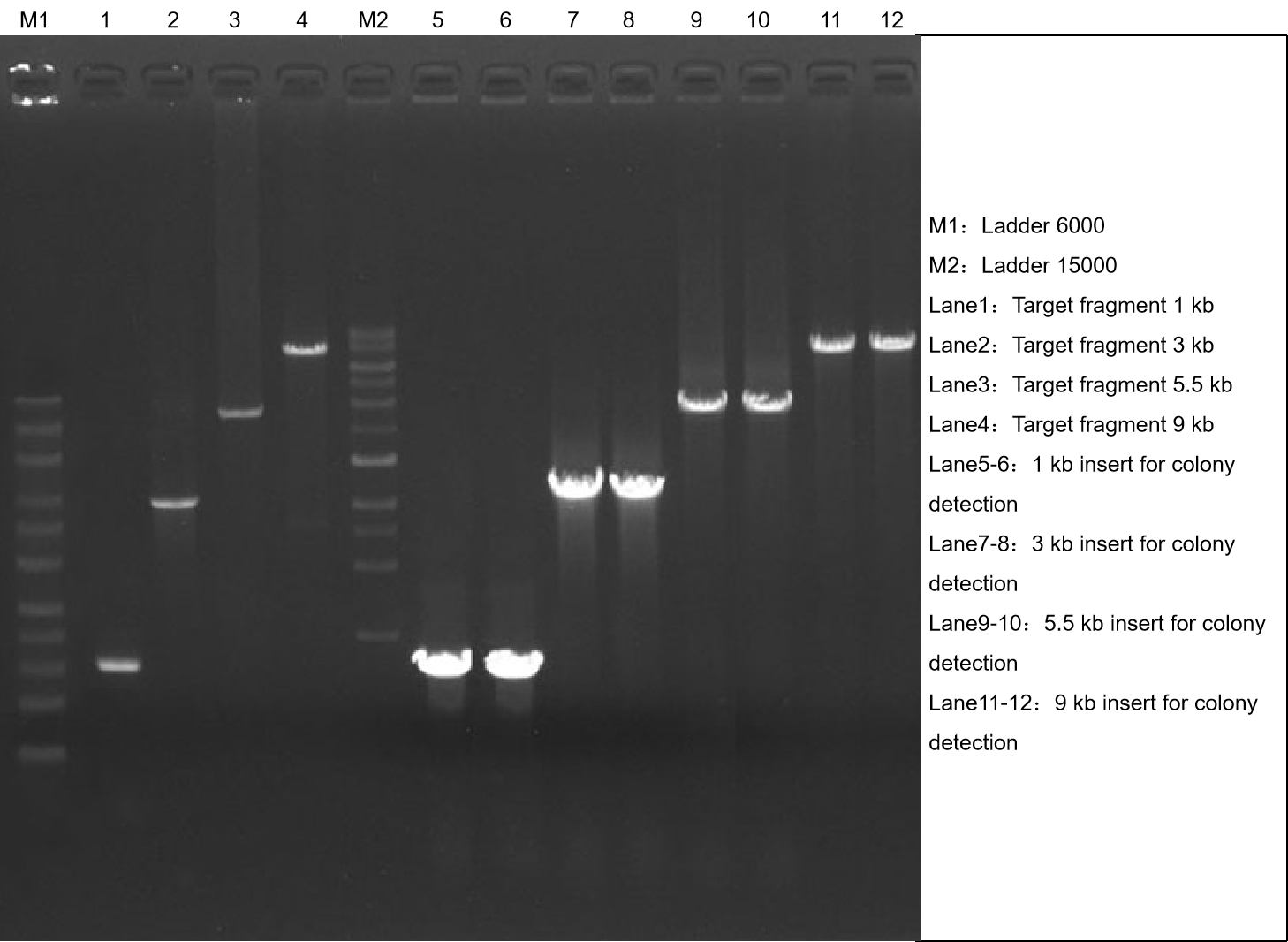
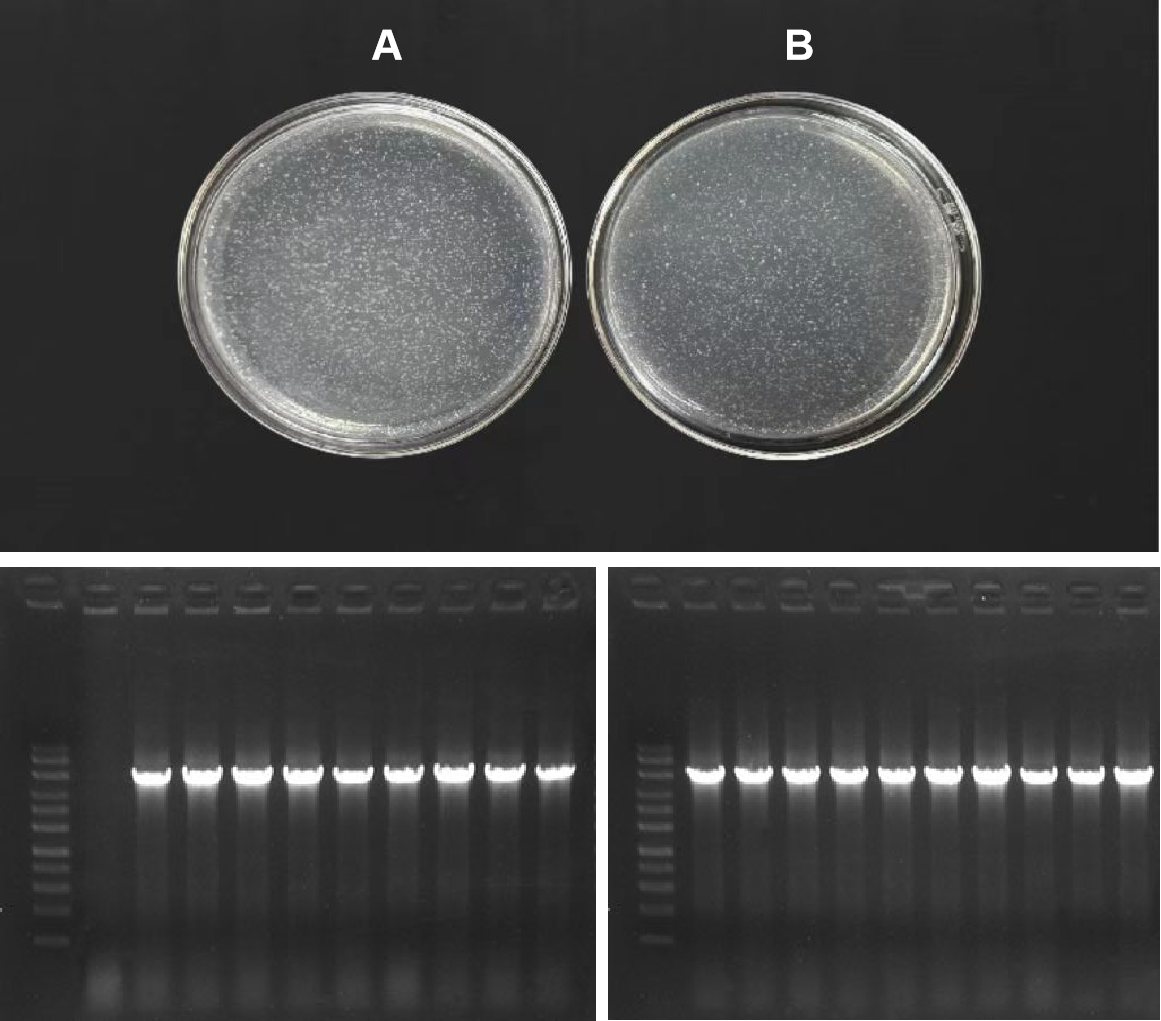
- High efficiency—Greater than 90% of colonies after transformation contain the correct insert(s).
Portocol overview
Figure A. Experimental workflow of using the Fast-FusionTM Multi Seamless Cloning Kit
AccelerRT® 5G Full Length cDNA Synthesis & Amplification Kit
Product Information
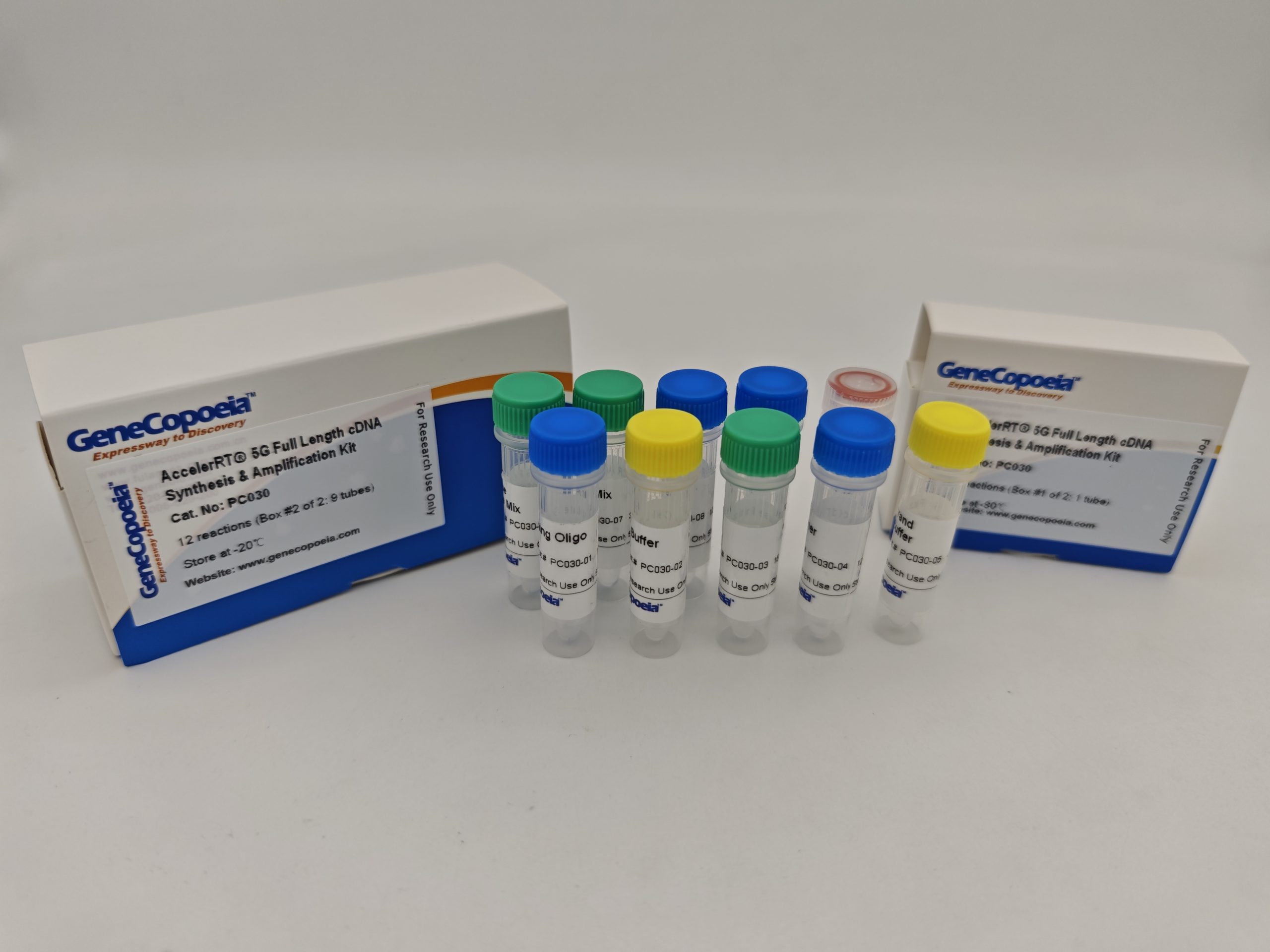
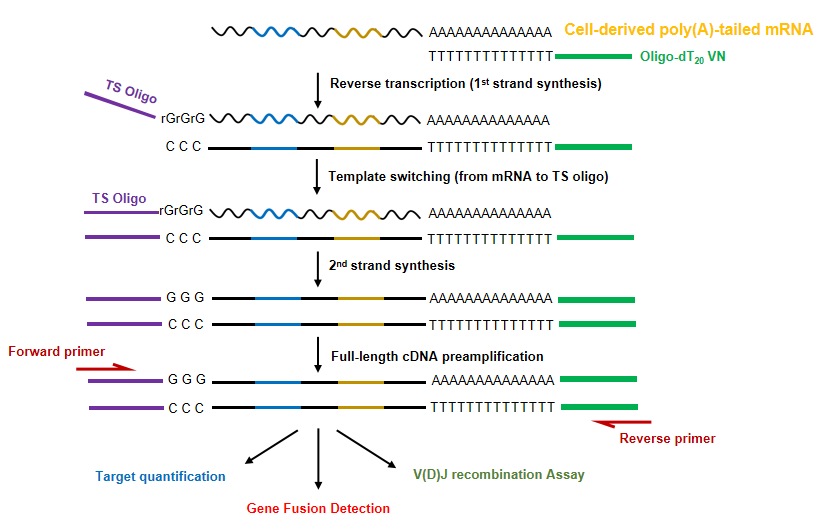
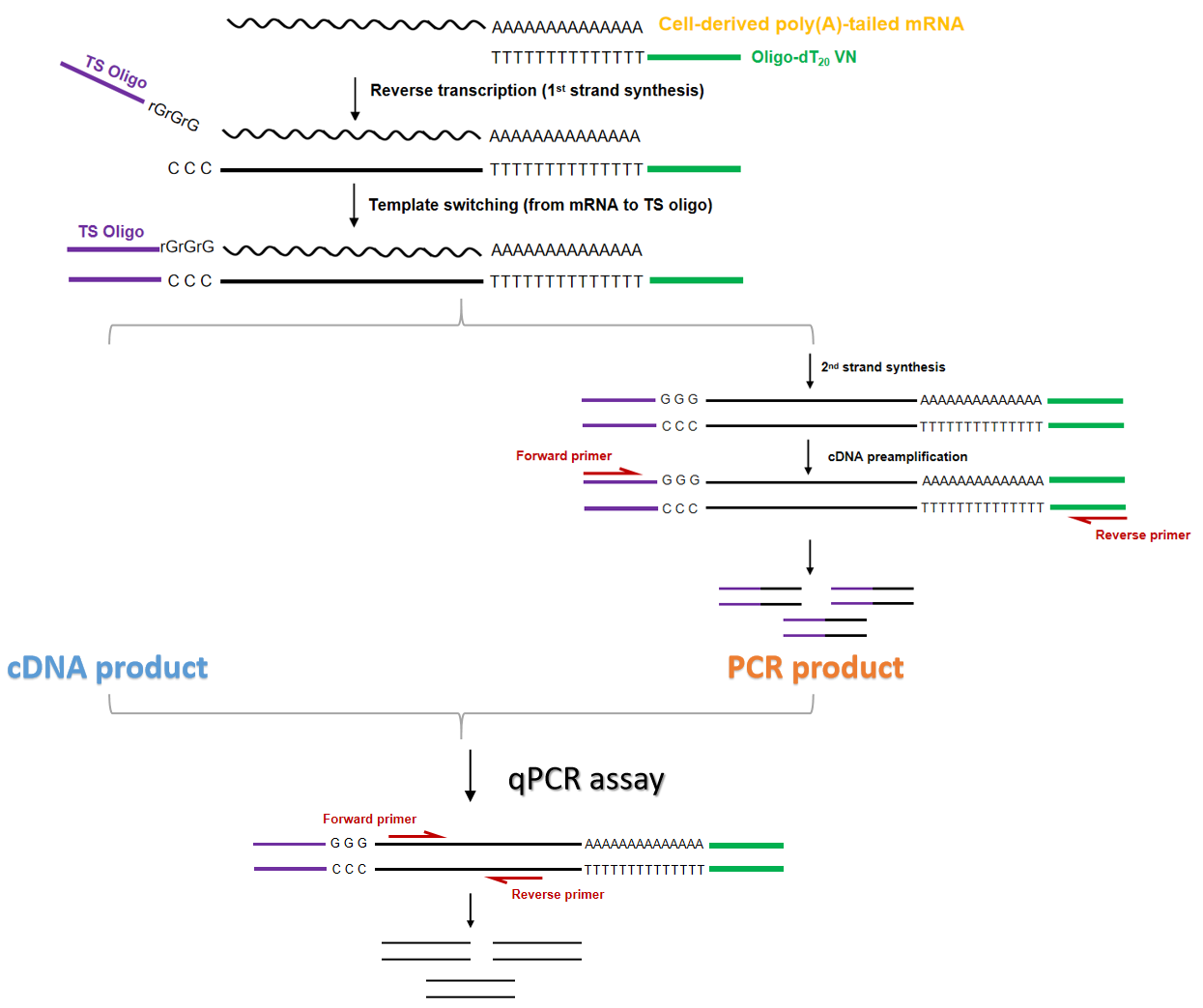
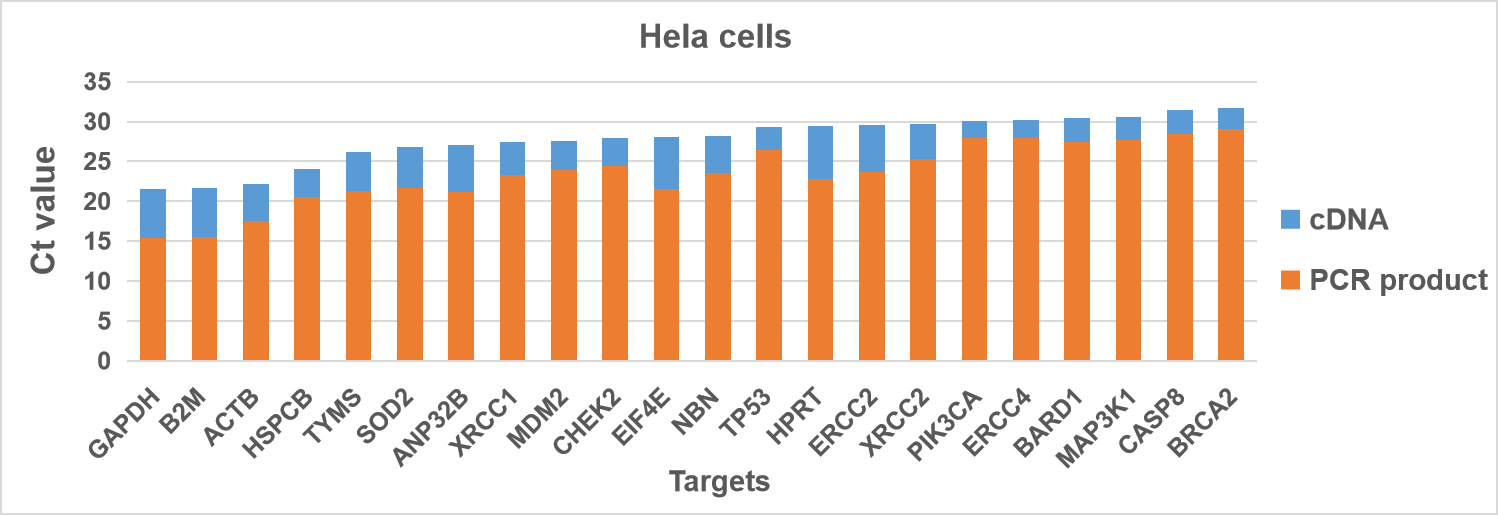
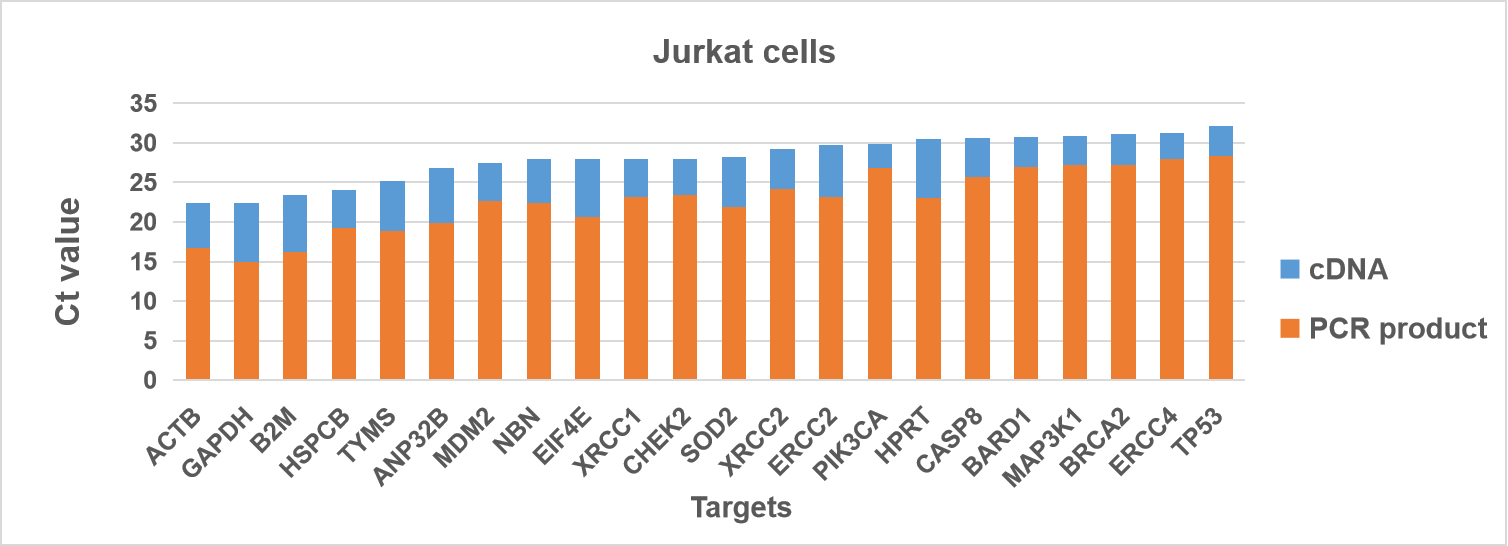
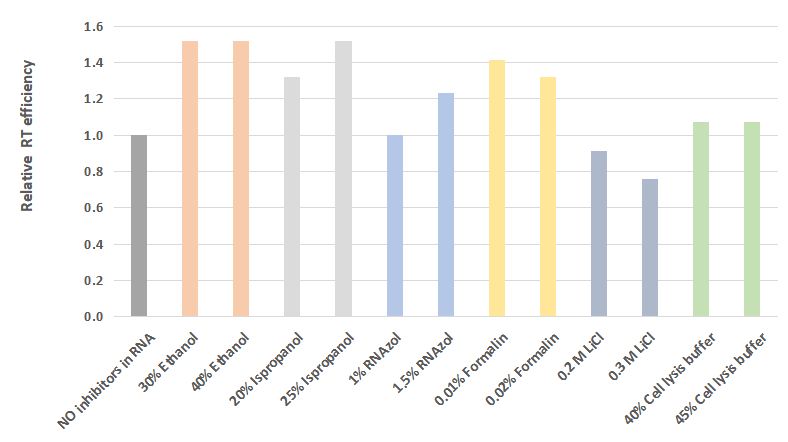
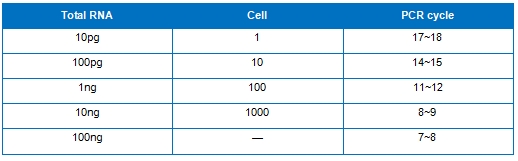
The AccelerRT® 5G Full Length cDNA Synthesis & Amplification Kit can synthesize cDNA ranging from 1-1000 cells or 10 pg – 100 ng of total RNA and an Oligo(dT)VN Primer as a reverse primer. Upon reaching the 5′ end of the RNA template, a specific adapter sequence is annealed and extended to the 3′ end of the cDNA by the terminal deoxynucleotidyl transferase (TdT) activity of the 5G Template Switching Reverse Transcriptase. The full-length cDNA is further amplified by PCR with the adapter sequence, which effectively avoids the 3′ bias in the process of cDNA synthesis. The full-length cDNA amplification products can be used to analyze gene expression differences, variable splicing, fusion genes and other genetic regulatory information.
Advantages
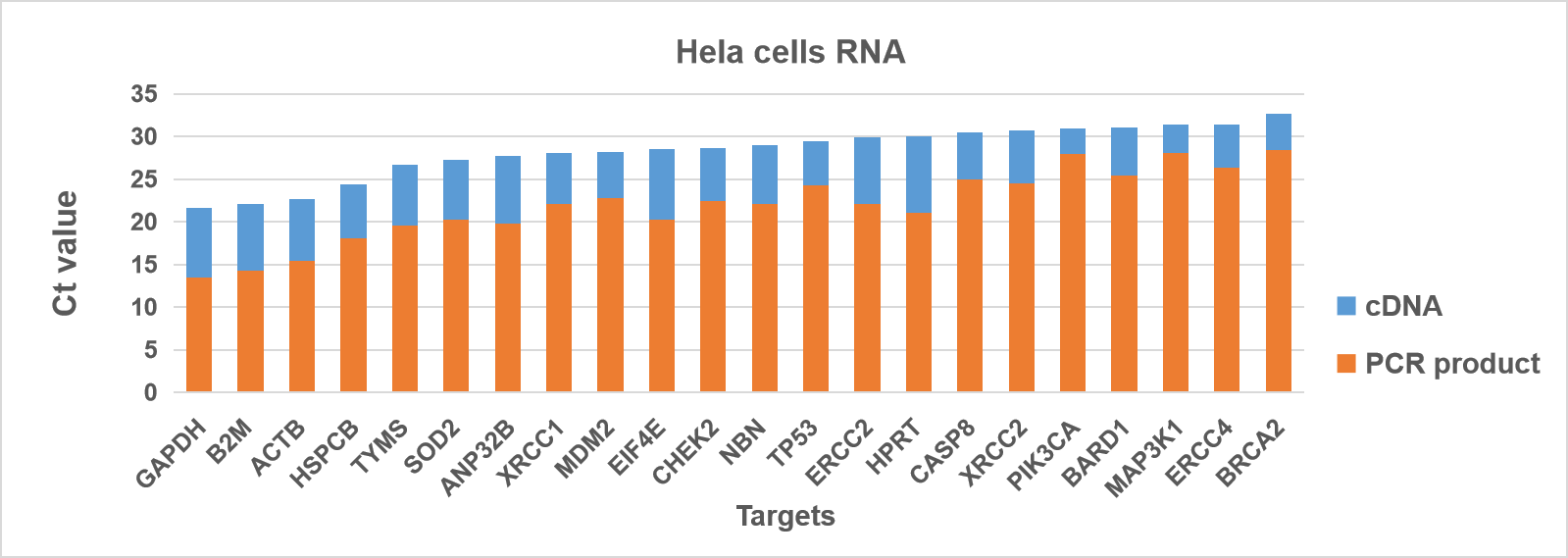
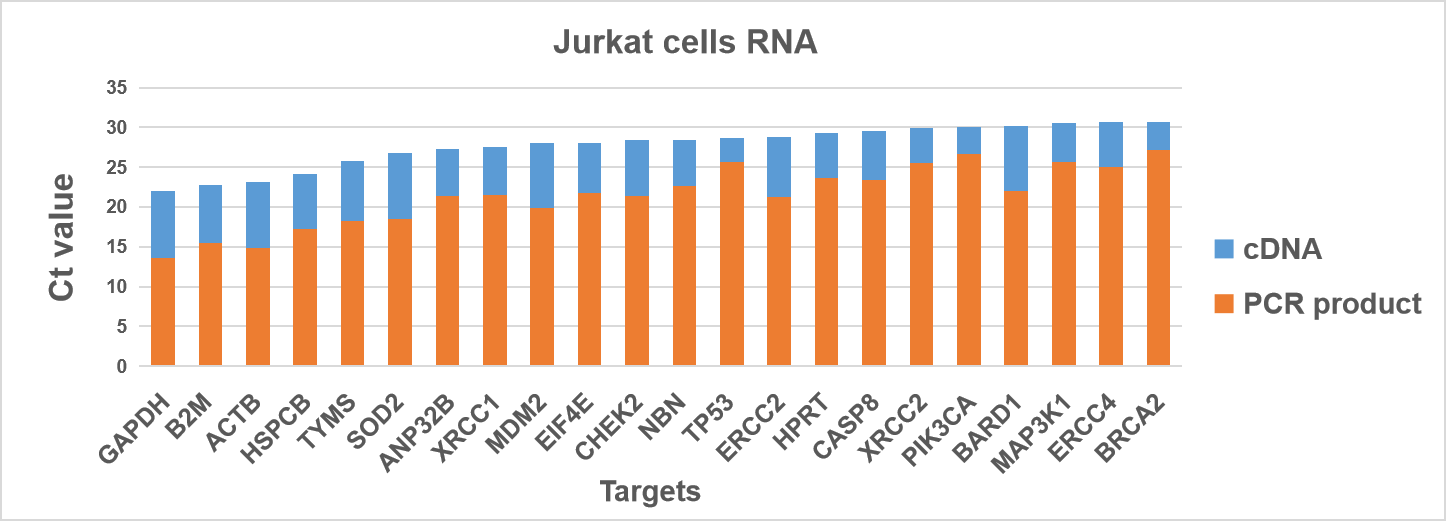
- High sensitivity: Low abundance targets can simply be detected from a small number of cells or total RNA.
- High quality cDNA: Double-ended primers amplify full-length cDNA, effectively avoiding 5′ end and 3′ end bias.
- Time saving: Shorter cell lysis and reverse transcription time.
- Wide compatibility: Pre-amplification compatible with downstream analysis of NGS or Real-time PCR.
Applications
- First-strand cDNA synthesis for full length cDNA products.
- Construction of single cell sequencing libraries.
- Discovery and detection of fusion genes.
- Single B cell (VDJ) sequence amplification.
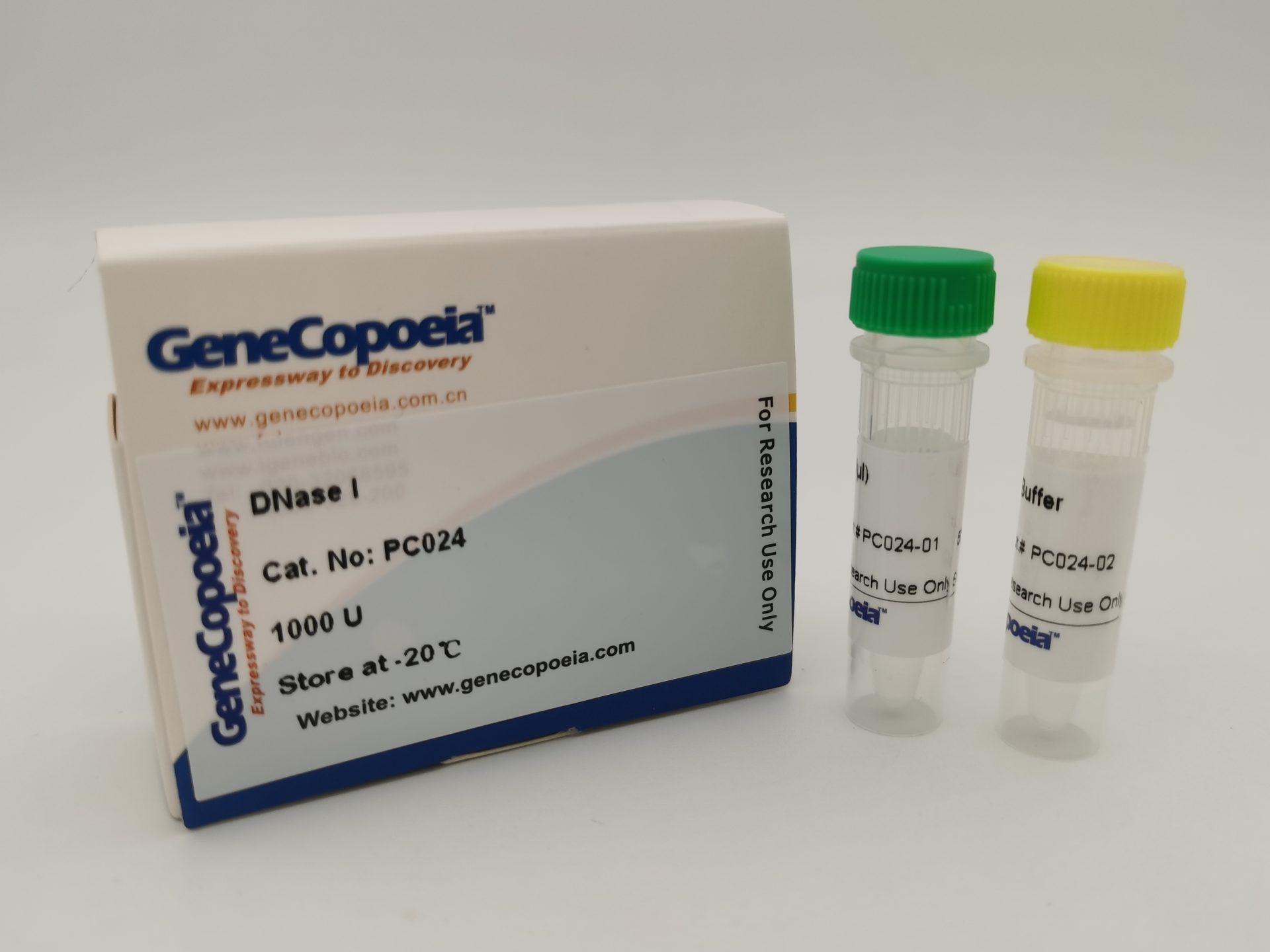
DNase I
 Powered by Bioz
Product Information
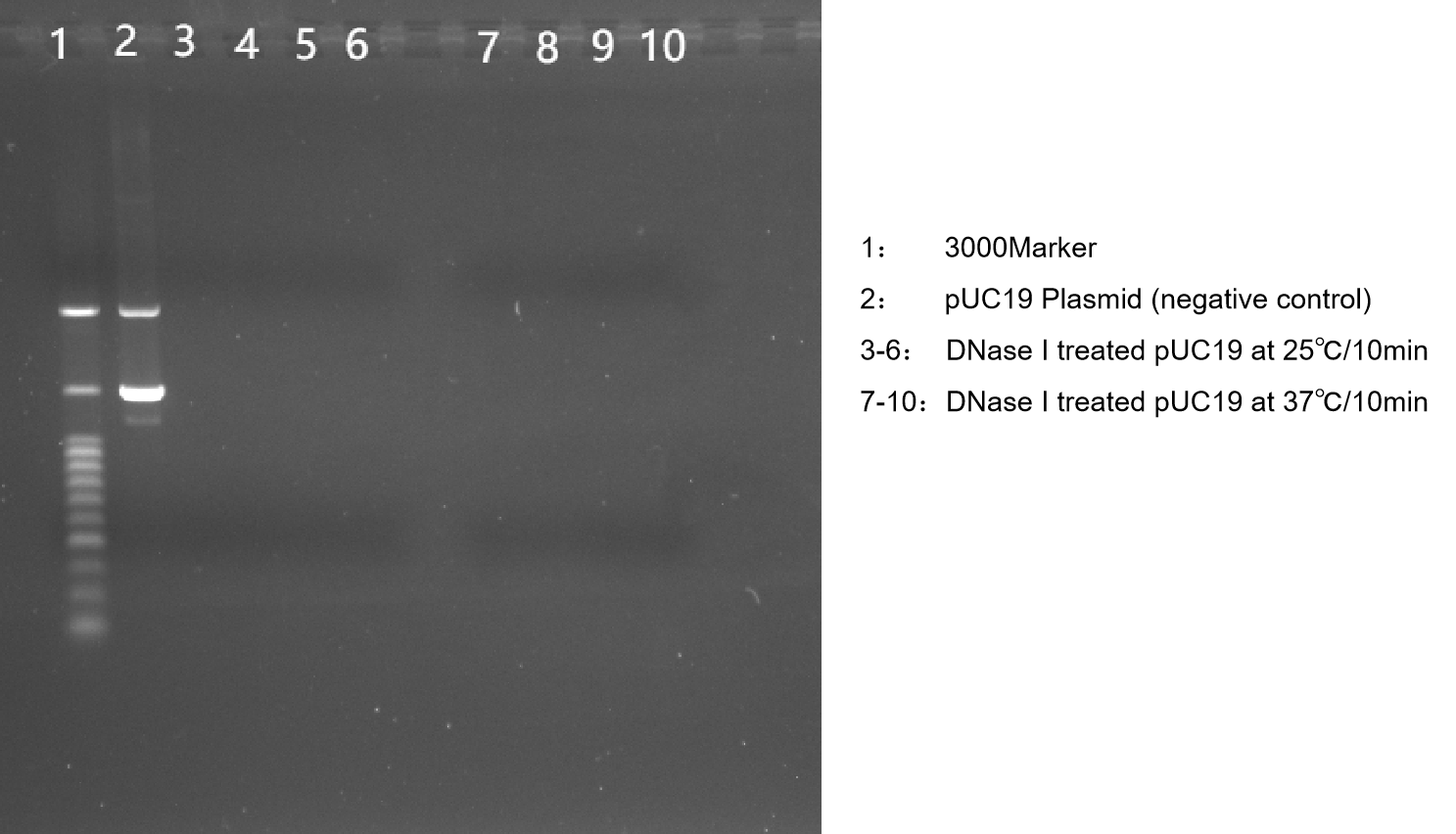
DNase I is an endonuclease that digests single- and double- stranded DNA. It hydrolyzes phosphodiester bonds producing mono- and oligodeoxyribonucleotides with 5’-phosphate and 3’-OH groups. The enzyme activity is strictly dependent on Ca2+ and is activated by Mg2+ or Mn2+ ions. If in the presence of Mg2+, DNase I cleaves each strand of dsDNA independently, in a statistically random fashion. If in the presence of Mn2+, the enzyme cleaves both DNA strands at approximately the same site, producing DNA fragments with blunt-ends or with one or two nucleotide overhangs.
Applications
- Preparation of DNA-free RNA samples
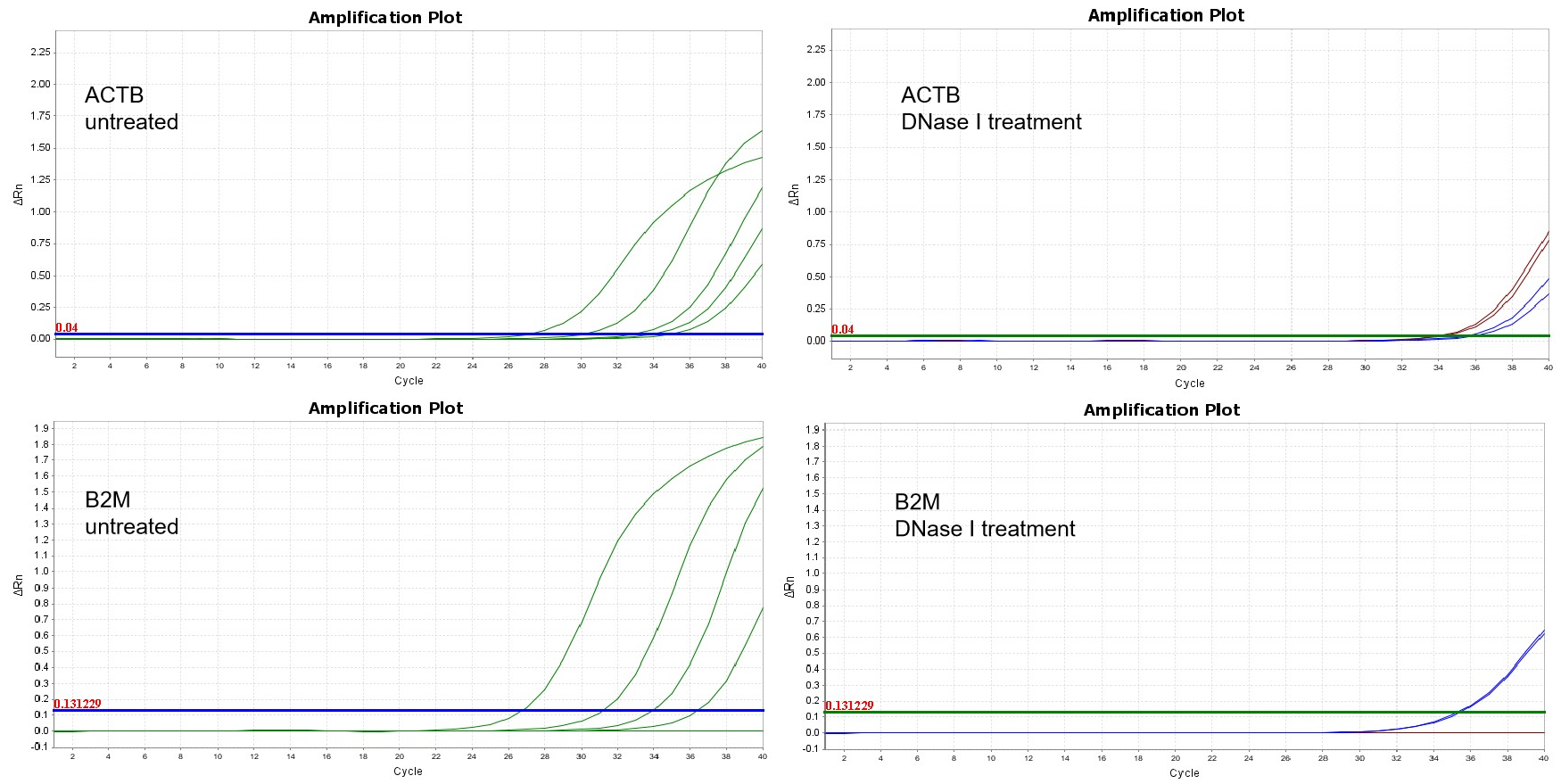
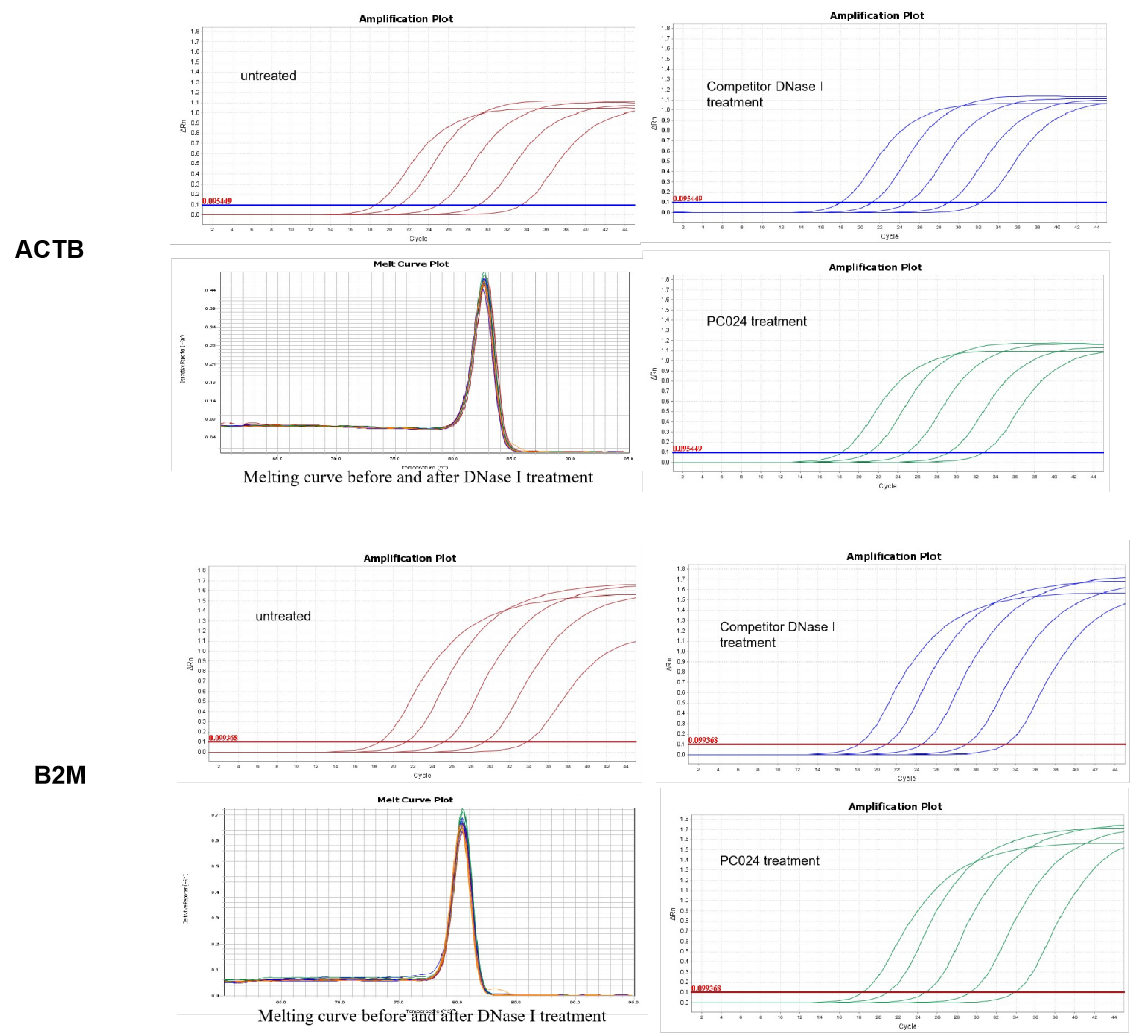
- Removal of DNA contamination from RNA samples prior to RT-qPCR reaction
- DNA template after removal of RNA transcription in vitro
- DNase I footprinting assay
- Construction of DNA random fragment library
T4 DNA Ligase

Product Information
T4 DNA Ligase catalyzes the formation of a phosphodiester bond between juxtaposed 5’-phosphate and 3’-hydroxyl termini in duplex DNA or RNA. The enzyme repairs single-strand nicks in duplex DNA, RNA or DNA/RNA hybrids, joins DNA fragments with either cohesive or blunt termini. The enzyme has no binding effect on single stranded DNA or RNA.
*For T4 DNA ligase (high concentration, > 1,500 U/μL) , please contact us at 1-301-762-0888 or inquiry@genecopoeia.com.
Order information
| Cat. No. | product name | enzyme concentration | specification |
| FF004 | T4 DNA Ligase | 400U/μl | 20,000 U, 50 μL |
| FF005 | T4 DNA Ligase | 400U/μl | 100,000 U, 5 x 50 μL |
| inquire | T4 DNA Ligase(high concentration) | >1,500 U/μL |
Applications
- Cloning of restriction enzyme fragments
- DNA fragments with blunt end join Adapters
- Ligase mediated RNA detection
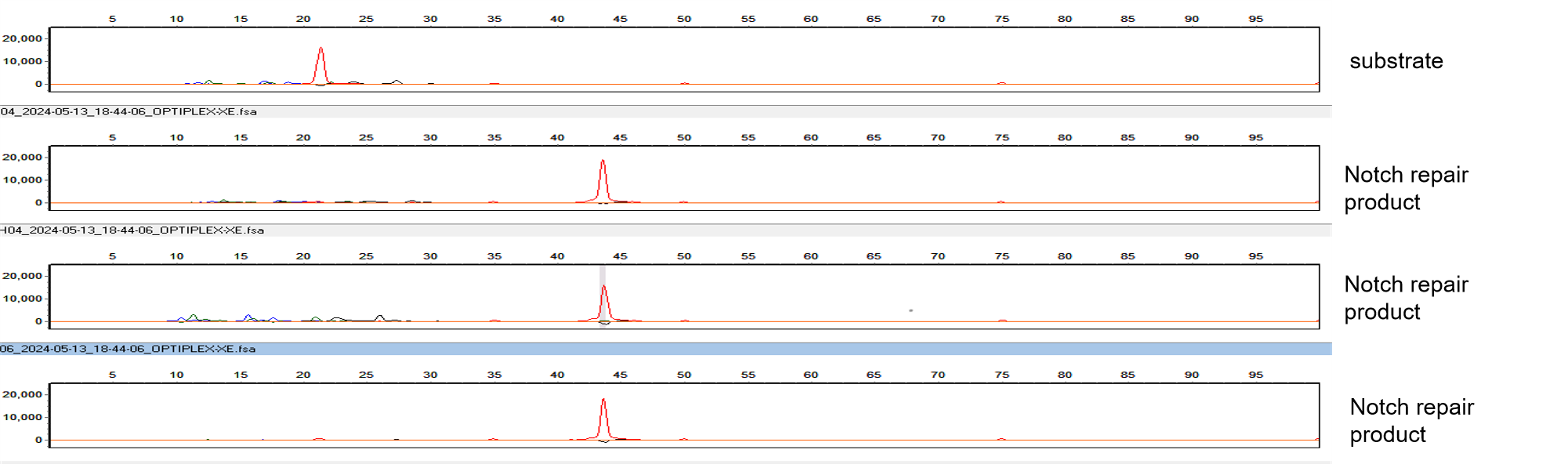
- Notch repair in double helix DNA hybrids
- Self-cyclization of linear DNA