Select Page

CAR-T Target Luciferase-labeled Cancer Cell Lines

Chimeric antigen receptor (CAR)-T cells have displayed remarkable efficacy in treating malignant cancers, particularly liquid tumors. CAR-T cell therapy treats cancer by modifying T cells so that they can recognise and effectively destroy cancer cells. The standard approach is to harvest T cells from the patient, genetically modify them, and then inject the resulting CAR-T cells into the patient to attack their tumour. Scientists are currently working intensively to develop different CAR constructs to broaden the range of cancer types targeted and improve their anti-tumour efficacy.
The luciferase-labeled CAR-T target cancer cell line can be used as a target cancer cell for in vitro killing assays by CAR-T cells. The luciferase-mediated bioluminescence imaging (BLI) assay is one of the most commonly used assays to investigate cell-mediated cytotoxicity. The cytotoxicity of effector cells can be quantified by measuring the decrease in the BLI signal. In addition to the simplicity of the BLI assay, the use of luciferase-labeled target cells enhances inter-assay reproducibility. The utilisation of these stable cell lines in cytotoxicity and cell viability assays facilitates real-time monitoring of the potency and efficacy of candidate CAR-T effector cells, driving breakthroughs in immunotherapy.

Order Information

Buy Cat.# Cell line Cell Type Target Selection Marker/Reporter Gene Size Price
SL131 Raji Burkitt’s Lymphoma CD19 Puromycin / Luciferase 2×10⁶ cells $2915
Coming Soon! SL132 BT-474 Breast Ductal Carcinoma HER2 Puromycin / Luciferase 2×10⁶ cells $2915
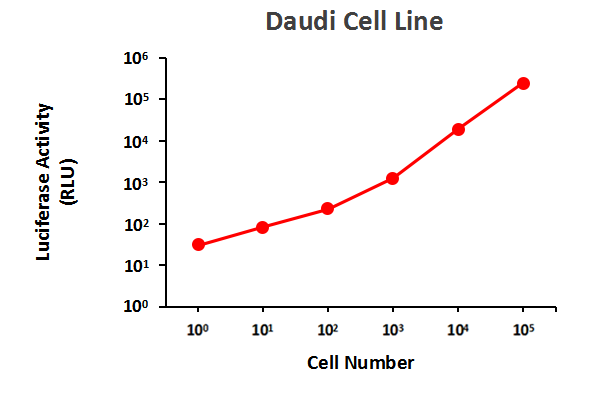
SL133 Daudi Burkitt’s Lymphoma CD20 Puromycin / Luciferase 2×10⁶ cells $2915
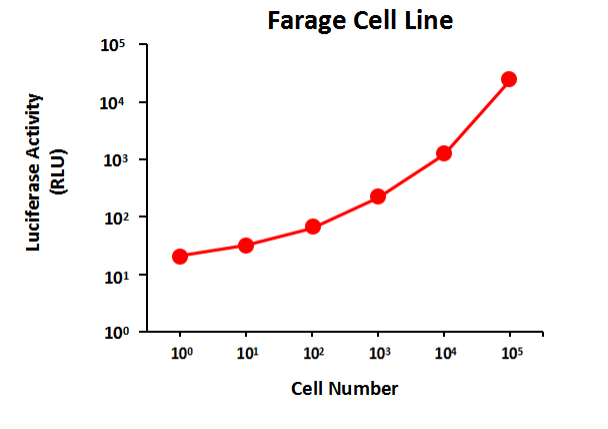
SL134 Farage Non-Hodgkin’s B Cell Lymphoma CD20 Puromycin / Luciferase 2×10⁶ cells $2915
Coming Soon! SL135 WIL2-S B Cell Lymphoma CD19 Puromycin / Luciferase 2×10⁶ cells $2915

Raji-Luc

CAR-T target luciferase-labeled Raji cell line

Established from tumour cells of a Burkitt’s lymphoma patient, Raji cells constitutively express the B-cell antigens CD19, CD20, and CD22 and can be used to evaluate cancer-targeted immunotherapies such as CAR-T cells.
The luciferase-labeled Raji cancer cell line was modified from the Raji wild-type cell line to express firefly luciferase stably. Raji-Luc cell line did not differ significantly from the wild-type cells in appearance, and trended similarly to the wild-type Raji cell line in terms of tumourigenicity. High expression of luciferase activity was detected in this cell line.
Raji-Luc cell line is an excellent target for CAR-T or NK cells targeting CD19, CD20 or CD22. The luciferase reporter gene produces a signal that is proportional to the number of Raji cells, helping to quantify how well it kills Raji cells when co-cultured with CAR-T or NK cells.

Case study

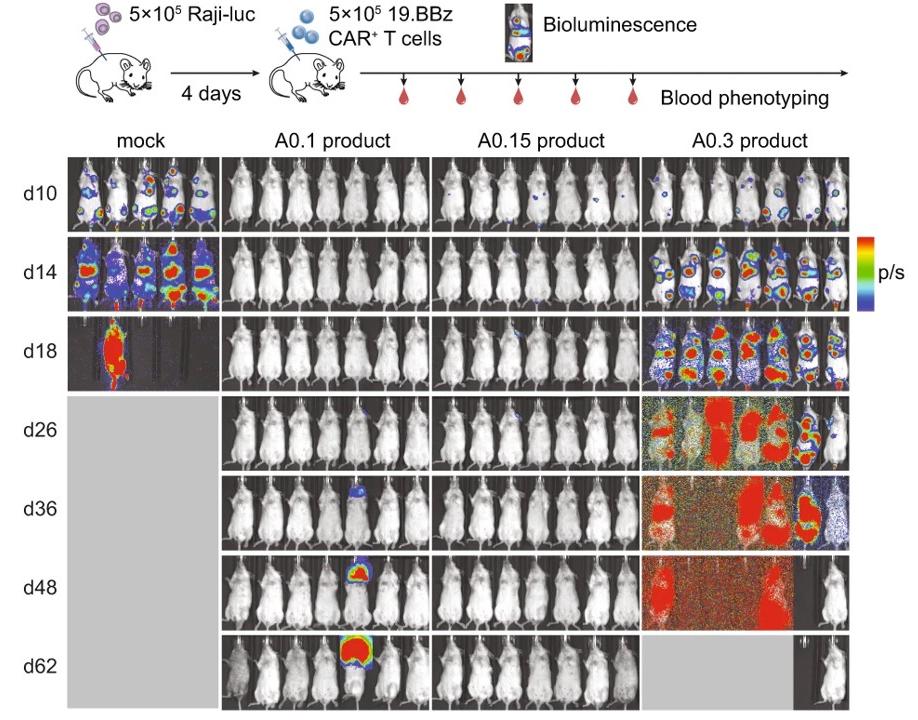
The luciferase-labeled Raji cancer cell line naturally expresses high levels of CD19, which can be used as a target cancer cell for an in vitro killing assay by CD19 CAR-T cells and is expected to also work for CD20 CAR-T cells. Zhang, D.K.Y. et al. tested the efficacy of three CAR-T cell products using CD19-expressing Raji-luc cells in a disseminated xenograft model of Burkitt’s lymphoma. The level of fluorescence intensity of Raji-luc cells in vivo reflects the proliferation and distribution of tumour cells in the animal. Ref. Zhang, D.K.Y., Adu-Berchie, K., Iyer, S. et al. Enhancing CAR-T cell functionality in a patient-specific manner. Nat Commun 14, 506 (2023).

Performance data

Serial dilutions of Raji-Luc cells were plated into a 96 well plate (white well). The luciferase activity was tested using GeneCopoeia™ Luc-Pair™ Firefly Luciferase HS Assay Kit (Cat. No. LF007). High expression of Luciferase activity was detected in this cell line.
T7 RNA Synthesis Kit

T7 RNA Synthesis Kit

T7 RNA Synthesis Kit T7 RNA Synthesis Kit

Price: $270.00 $460.00
Catalog#:
  • PC035
  • PC036
Size: 50 Reactions 100 Reactions
Qty:
Manual: DownloadDownload
View your cart


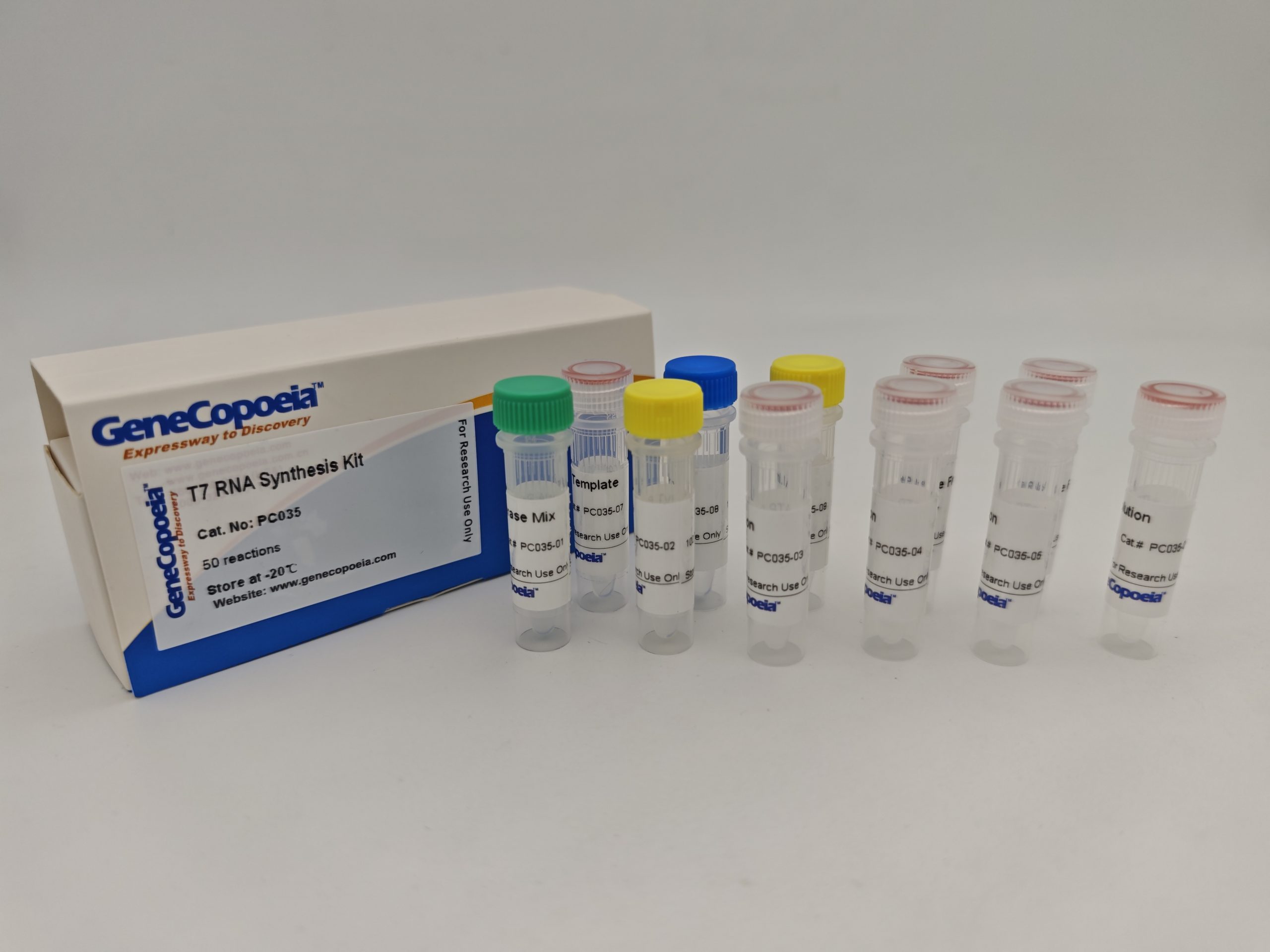
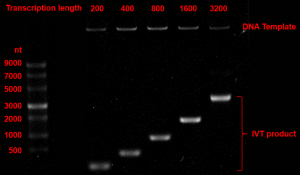
Introduction T7 RNA Synthesis Kit is designed for in vitro transcription of large amounts of RNA, provides with T7 RNA polymerase mix and four individually available nucleotides. The kit can also be used to synthesise capped RNA by adding cap analogues; or to synthesise modified RNA by replacing with modified UTP according to experimental requirements. The kit contains LiCl Solution for removing free nucleotides, enzymes and most of the template from the transcription product to obtain coarsely purified RNA.

Advantage

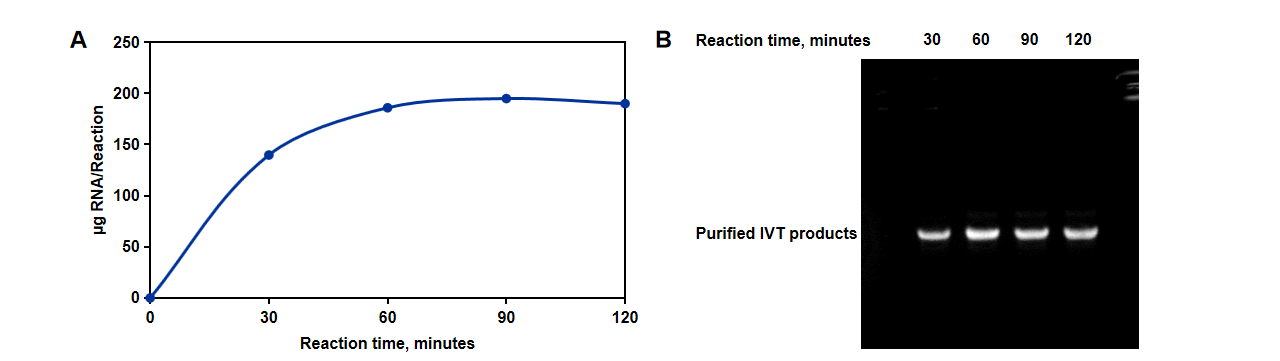
  1. Yields 150~200 μg of RNA from 1 μg of DNA template.
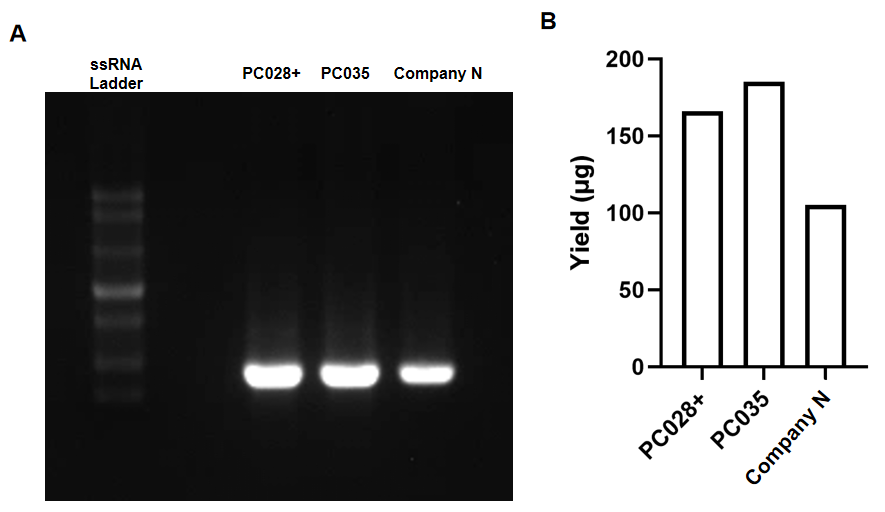
  2. Optimized transcription buffer: Requires less T7 RNA polymerase for maximum RNA yield compared to other competitors.

Application

Synthesis of large amounts of various RNAs, including but not limited to:
  1. mRNA for vaccine or gene expression
  2. precursors of circular RNA
  3. labeled RNA probes
  4. Modified RNA: prepared by admixing modified NTP (e.g., aminoallyl-, biotin-, fluorescein-, digoxin-NTP)
 

OncoSpot™ NGS Spike-in Reference Standards

Introduction

Introduction

NGS technology is widely used in drug discovery and translational medicine, such as determining individual genome sequences and confirming mutations associated with genetic diseases and somatic mutations in tumour cells. Parallel assay reference standards are commonly used to assess the sensitivity and reproducibility of each instrument and kit for the detection of mutations at each specific locus.
However, parallel reference standards cannot be used to assess and correct the number of molecules containing mutations including substitutions, deletions and insertions in the samples to be examined, nor can they be used to exclude errors in a large number of samples to be examined due to a certain experimental step (e.g., library construction, efficiency of barcode ligation, or loss of part of the samples in a certain sample system due to operational errors) or instrumental heterogeneity (e.g., abnormalities of a certain well of a 96-well PCR instrument). (e.g., an abnormality in one well of the 96-well PCR instrument).
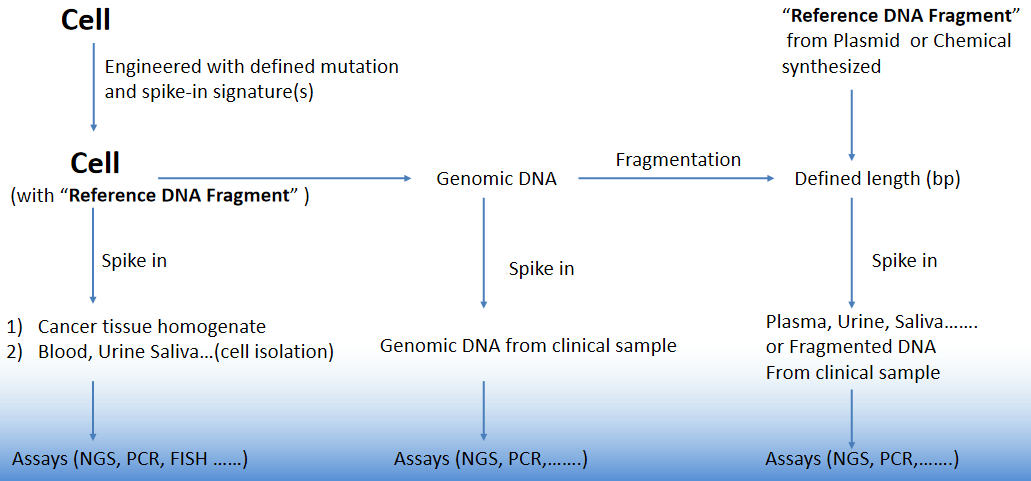
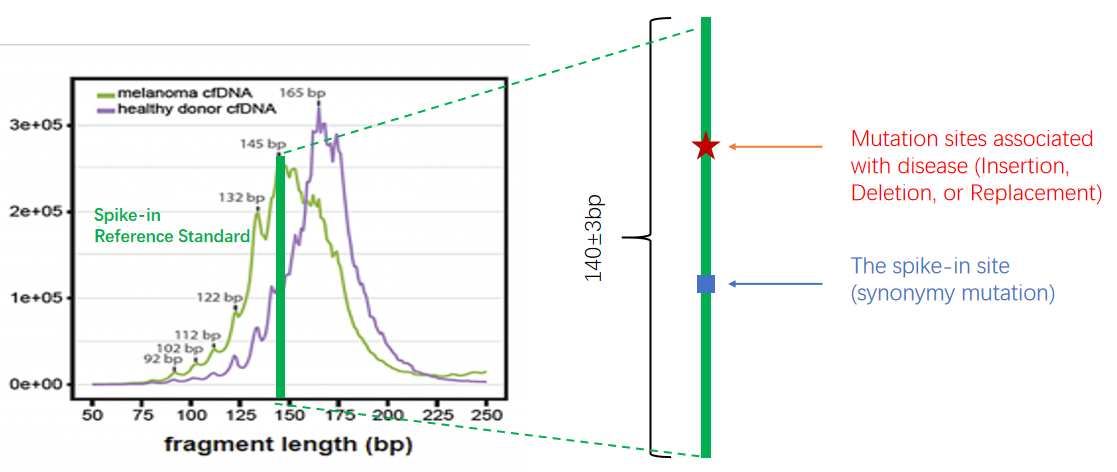
GeneCopoeia provides OncoSpot™ NGS Spike-in Reference Standards for monitoring the entire process of detection. The CRISPR method is employed to modify the genome of tumour cells, introducing single nucleotide mutations or in-frame indel mutations. Concurrently, spike-in markers are set up using our patented technology, namely the ‘DNA reference standard and use thereof’.

Fig. 1 Cell/gDNA/cfDNA spike-in reference standards for gene mutation detection

Advantage

  • Adding to the actual sample as an internal reference, the Spike-in Reference Standards are able to participate in all the processes of DNA library sequencing, and take quality control at each processes.
  • The sequencing results of different samples can be normalized based on the results of the Spike-in Reference Standards, allowing for comparison between samples;
  • Highly similar to the form of the real sample, but can be easily distinguished;
  • Flexible customization, which can meet the needs of a variety of quality control indicators.

T7 RNA Polymerase

T7 RNA Polymerase
T7 RNA Polymerase
T7 RNA Polymerase
T7 RNA Polymerase

T7 RNA Polymerase T7 RNA Polymerase

Price: $76.00 $303.00
Catalog#:
  • PC028
  • PC029
Size: 5,000 U 25,000 U
Qty:
Manual: DownloadDownload
View your cart


Product Information

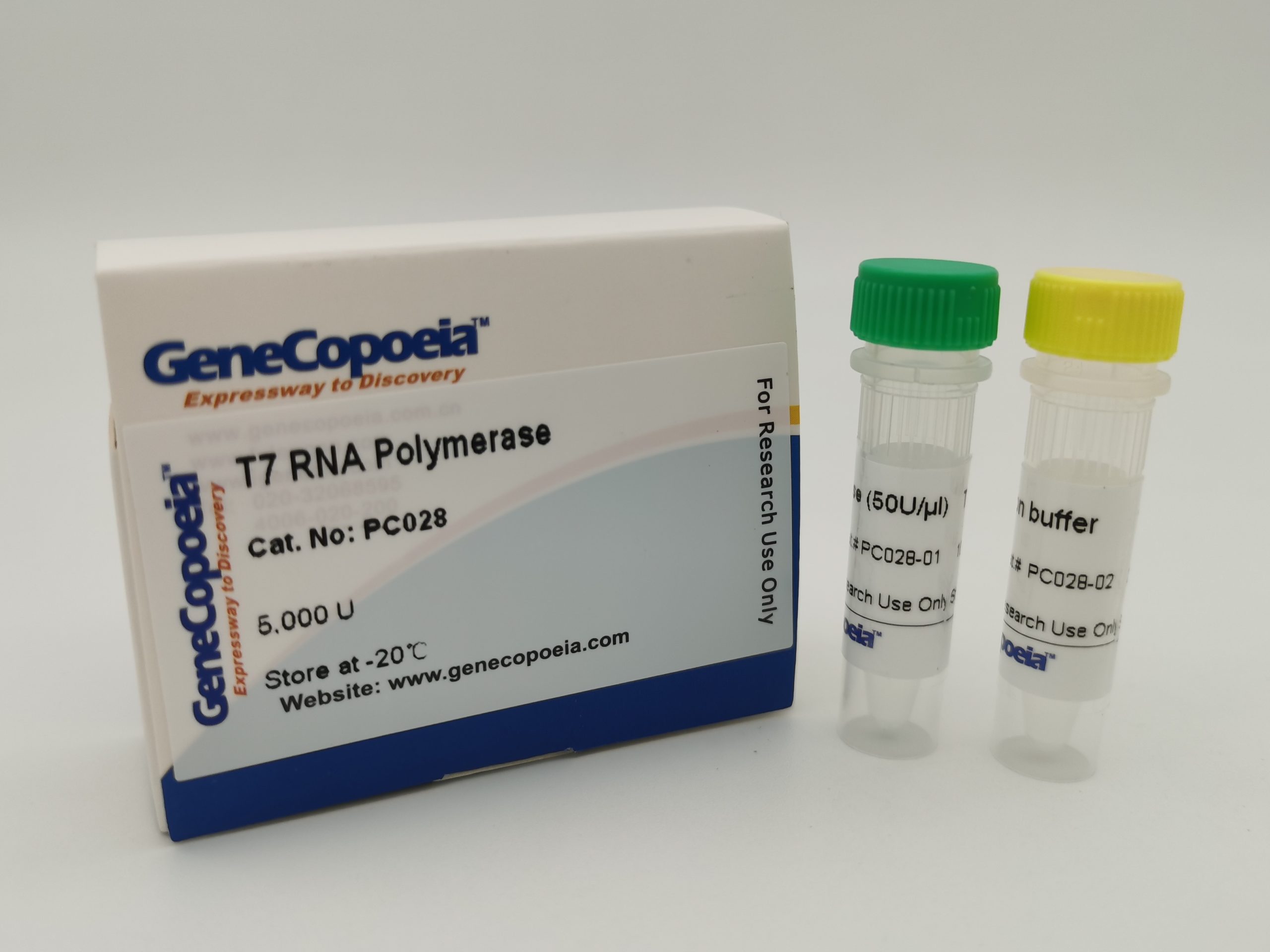
T7 RNA Polymerase is a DNA-dependent RNA polymerase with strict specificity for T7 promoter. Use double-stranded DNA (linearised plasmid or PCR product) as a template to synthesise RNA that is complementary to the reverse single-stranded DNA downstream of the promoter. T7 RNA Polymerase accepts modified nucleotides (e.g., biotin-, digoxigenin-, fluorescein-labeled nucleotides) as substrates for RNA synthesis.

Catalog# Product Size
PC028 T7 RNA Polymerase (50 U/μL) 100 μL
10× Transcription Buffer 250 μL
PC029 T7 RNA Polymerase (50 U/μL) 5× 100 μL
10× Transcription Buffer 5× 250 μL
Inquire T7 RNA Polymerase ( >200 U/μL)
*For T7 RNA polymerase (high concentration, >200 U/μL) products, please contact us at 1-301-762-0888 or inquiry@genecopoeia.com.
Storage buffer: 50 mM Tris-HCl,100 mM NaCl,20 mM β-ME,1 mM EDTA,50% Glycerol,0.1% (w/v) Triton® X-100 (pH 7.9 @ 25°C)
Definition of activity unit: One unit is defined as the amount of enzyme that will incorporate 1 nmol ATP into acid-insoluble material in a total reaction volume of 50 μl in 1 hour at 37°C.
Advantages
  • Yields 150~200 μg of RNA from 1 μg of DNA template.
  • Optimized transcription buffer: Requires less T7 RNA polymerase for maximum RNA yield compared to other competitors.
 
Application
Synthesis of large amounts of RNA, including:
  • mRNA for vaccines or gene expression
  • circRNA precursors
  • Modified RNA: prepared by admixing modified NTP (e.g., aminoallyl-, biotin-, fluorescein-, digoxin-NTP)
  • labelled RNA probes, etc.


Chemokines and chemokine receptors

Introduction

Cancer is a collection of diseases characterized by abnormal and uncontrolled cellular growth caused primarily by genetic mutations. Based on their role in cancer progression, driver genes can be classified into two main categories: oncogenes and tumor suppressor genes. Oncogene addiction refers to the phenomenon that certain tumours depend on one or more activated oncogenes, also known as driver oncogenes, to maintain their malignant biological phenotype.
Chemokines, or chemotactic cytokines, are a family of small cytokines or signaling proteins secreted by cells that induce directional movement of leukocytes, as well as other cell types, including endothelial and epithelial cells. In addition to playing a major role in the activation of host immune responses, chemokines are important for biological processes, including morphogenesis and wound healing, as well as in the pathogenesis of diseases like cancers.
Chemokines have been classified into four main subfamilies: CXC, CC, CX3C and C. Some chemokines are considered pro-inflammatory and can be induced during an immune response to recruit cells of the immune system to a site of infection, includes CCL14, CCL19, CCL20, CCL21, CCL25, CCL27, CXCL12 and CXCL13. This classification is not strict, for example, CCL20 can act also as pro-inflammatory chemokine. Others are considered homeostatic and are involved in controlling the migration of cells during normal processes of tissue maintenance or development. These chemokines are formed under pathological conditions (on pro-inflammatory stimuli, such as IL-1, TNF-alpha, LPS, or viruses) and actively participate in the inflammatory response attracting immune cells to the site of inflammation, such as CXCL-8, CCL2, CCL3, CCL4, CCL5, CCL11, CXCL10.
Chemokine receptors are G protein-coupled receptors containing 7 transmembrane domains that are found on the surface of leukocytes. Chemokine receptors associate with G-proteins to transmit cell signals following ligand binding. After receptor activation, the alpha- and beta-gamma-subunits of G protein dissociate to activate diverse downstream pathways resulting in cellular polarization and actin reorganization. Various members of small GTPases are involved in this process. Induction of nitric oxide and production of reactive oxygen species are as well regulated by chemokine signal via calcium mobilization and diacylglycerol production

Clone set information

Cat. no. Species Gene Vector Vector Type Price
OC-GF023-M02 Human 69 pReceiver-M02 Expression-ready Non-viral Inquire
OC-GF023-M35 Human 69 pReceiver-M35 Expression-ready Non-viral Inquire
OC-GF023-M98 Human 69 pReceiver-M98 Expression-ready Non-viral Inquire
OC-GF023-Lv105 Human 69 pReceiver-Lv105 Expression-ready Lentiviral Inquire
OC-GF023-Lv242 Human 69 pReceiver-Lv242 Expression-ready Lentiviral Inquire

Clone list

For clone list please contact us at 1-301-762-0888 or inquiry@genecopoeia.com if you have any questions.
Symbol Accession Species Description ORF length(bp) Product ID
CCL1 NM_002981.2 Human Homo sapiens C-C motif chemokine ligand 1 (CCL1), mRNA. 291 GC-A0176
CCL2 NM_002982.4 Human Homo sapiens C-C motif chemokine ligand 2 (CCL2), mRNA. 300 GC-Q0327
CCL3 NM_002983.3 Human Homo sapiens C-C motif chemokine ligand 3 (CCL3), transcript variant 1, mRNA. 279 GC-Z2490
CCL4 NM_002984.4 Human Homo sapiens C-C motif chemokine ligand 4 (CCL4), mRNA. 279 GC-A8645
CCL5 NM_001278736.2 Human Homo sapiens C-C motif chemokine ligand 5 (CCL5), transcript variant 2, mRNA. 465 GC-I2496
CCL5 NM_002985.3 Human Homo sapiens C-C motif chemokine ligand 5 (CCL5), transcript variant 1, mRNA. 276 GC-A3676
CCL7 NM_006273.4 Human Homo sapiens C-C motif chemokine ligand 7 (CCL7), mRNA. 300 GC-O0062
CCL8 NM_005623.3 Human Homo sapiens C-C motif chemokine ligand 8 (CCL8), mRNA. 300 GC-Z2678
CCL11 NM_002986.3 Human Homo sapiens C-C motif chemokine ligand 11 (CCL11), mRNA. 294 GC-Z7461
CCL13 NM_005408.3 Human Homo sapiens C-C motif chemokine ligand 13 (CCL13), mRNA. 297 GC-N0005
CCL14 NM_032962.5 Human Homo sapiens C-C motif chemokine ligand 14 (CCL14), transcript variant 2, mRNA. 330 GC-Z3767
CCL14 NM_032963.4 Human Homo sapiens C-C motif chemokine ligand 14 (CCL14), transcript variant 3, mRNA. 282 GC-N0003
CCL15 NM_032965.6 Human Homo sapiens C-C motif chemokine ligand 15 (CCL15), mRNA. 342 GC-X0728
CCL16 NM_004590.4 Human Homo sapiens C-C motif chemokine ligand 16 (CCL16), mRNA. 363 GC-N0036
CCL17 NM_002987.3 Human Homo sapiens C-C motif chemokine ligand 17 (CCL17), mRNA. 285 GC-N0017
CCL18 NM_002988.4 Human Homo sapiens C-C motif chemokine ligand 18 (CCL18), mRNA. 270 GC-N0039
CCL19 NM_006274.3 Human Homo sapiens C-C motif chemokine ligand 19 (CCL19), mRNA. 297 GC-I0009
CCL20 NM_001130046.2 Human Homo sapiens C-C motif chemokine ligand 20 (CCL20), transcript variant 2, mRNA. 288 GC-N0056
CCL20 NM_004591.3 Human Homo sapiens C-C motif chemokine ligand 20 (CCL20), transcript variant 1, mRNA. 291 GC-Z4471
CCL21 NM_002989.4 Human Homo sapiens C-C motif chemokine ligand 21 (CCL21), mRNA. 405 GC-M0488
CCL22 NM_002990.5 Human Homo sapiens C-C motif chemokine ligand 22 (CCL22), mRNA. 282 GC-Z9059
CCL23 NM_005064.6 Human Homo sapiens C-C motif chemokine ligand 23 (CCL23), transcript variant CKbeta8, mRNA. 414 GC-Z2590
CCL23 NM_145898.4 Human Homo sapiens C-C motif chemokine ligand 23 (CCL23), transcript variant CKbeta8, mRNA. 363 GC-N0012
CCL24 NM_002991.3 Human Homo sapiens C-C motif chemokine ligand 24 (CCL24), transcript variant 2, mRNA. 360 GC-A3100
CCL25 NM_001201359.2 Human Homo sapiens C-C motif chemokine ligand 25 (CCL25), transcript variant 2, mRNA. 450 GC-Z9647
CCL25 NM_005624.4 Human Homo sapiens C-C motif chemokine ligand 25 (CCL25), transcript variant 1, mRNA. 453 GC-N0051
CCL26 NM_006072.4 Human Homo sapiens C-C motif chemokine ligand 26 (CCL26), mRNA. 285 GC-N0034
CCL27 NM_006664.4 Human Homo sapiens C-C motif chemokine ligand 27 (CCL27), mRNA. 339 GC-N0035
CCL28 NM_001301875.2 Human Homo sapiens C-C motif chemokine ligand 28 (CCL28), transcript variant 4, mRNA. 243 GC-A6116
CCL28 NM_148672.3 Human Homo sapiens C-C motif chemokine ligand 28 (CCL28), transcript variant 1, mRNA. 384 GC-W0559
CXCL1 NM_001511.4 Human Homo sapiens C-X-C motif chemokine ligand 1 (CXCL1), transcript variant 1, mRNA. 324 GC-G0095
CXCL2 NM_002089.4 Human Homo sapiens C-X-C motif chemokine ligand 2 (CXCL2), mRNA. 324 GC-A0267
CXCL3 NM_002090.3 Human Homo sapiens C-X-C motif chemokine ligand 3 (CXCL3), mRNA. 324 GC-N0068
PF4 NM_002619.4 Human Homo sapiens platelet factor 4 (PF4), transcript variant 1, mRNA. 306 GC-G0251
PF4 NM_001363352.1 Human Homo sapiens platelet factor 4 (PF4), transcript variant 2, mRNA. 333 GC-I8439
CXCL5 NM_002994.5 Human Homo sapiens C-X-C motif chemokine ligand 5 (CXCL5), mRNA. 345 GC-A1113
CXCL6 NM_002993.4 Human Homo sapiens C-X-C motif chemokine ligand 6 (CXCL6), mRNA. 345 GC-Y2027
PPBP NM_002704.3 Human Homo sapiens pro-platelet basic protein (PPBP), mRNA. 387 GC-G0161
CXCL8 NM_000584.4 Human Homo sapiens C-X-C motif chemokine ligand 8 (CXCL8), transcript variant 1, mRNA. 300 GC-I0329
CXCL9 NM_002416.3 Human Homo sapiens C-X-C motif chemokine ligand 9 (CXCL9), mRNA. 378 GC-A0353
CXCL10 NM_001565.4 Human Homo sapiens C-X-C motif chemokine ligand 10 (CXCL10), transcript variant 1, mRNA. 297 GC-T7063
CXCL11 NM_001302123.2 Human Homo sapiens C-X-C motif chemokine ligand 11 (CXCL11), transcript variant 2, mRNA. 321 GC-A6118
CXCL11 NM_005409.5 Human Homo sapiens C-X-C motif chemokine ligand 11 (CXCL11), transcript variant 1, mRNA. 285 GC-N0032
CXCL12 NM_000609.7 Human Homo sapiens C-X-C motif chemokine ligand 12 (CXCL12), transcript variant 2, mRNA. 282 GC-A0590
CXCL12 NM_001178134.2 Human Homo sapiens C-X-C motif chemokine ligand 12 (CXCL12), transcript variant 4, mRNA. 423 GC-Z9616
CXCL12 NM_001277990.2 Human Homo sapiens C-X-C motif chemokine ligand 12 (CXCL12), transcript variant 5, mRNA. 312 GC-A4545
CXCL12 NM_199168.4 Human Homo sapiens C-X-C motif chemokine ligand 12 (CXCL12), transcript variant 1, mRNA. 270 GC-Z1991
CXCL13 NM_006419.3 Human Homo sapiens C-X-C motif chemokine ligand 13 (CXCL13), transcript variant 1, mRNA. 330 GC-N0028
CXCL17 NM_198477.3 Human Homo sapiens C-X-C motif chemokine ligand 17 (CXCL17), transcript variant 1, mRNA. 360 GC-Y2390
XCL1 NM_002995.3 Human Homo sapiens X-C motif chemokine ligand 1 (XCL1), mRNA. 345 GC-N0006